
Zukunftszentrum in Halle to Reframe Reunification and European Transformations
Uta Bretschneider heads the Zukunftszentrum in Halle, redefining how German reunification and European transformations are researched and presented nationally.
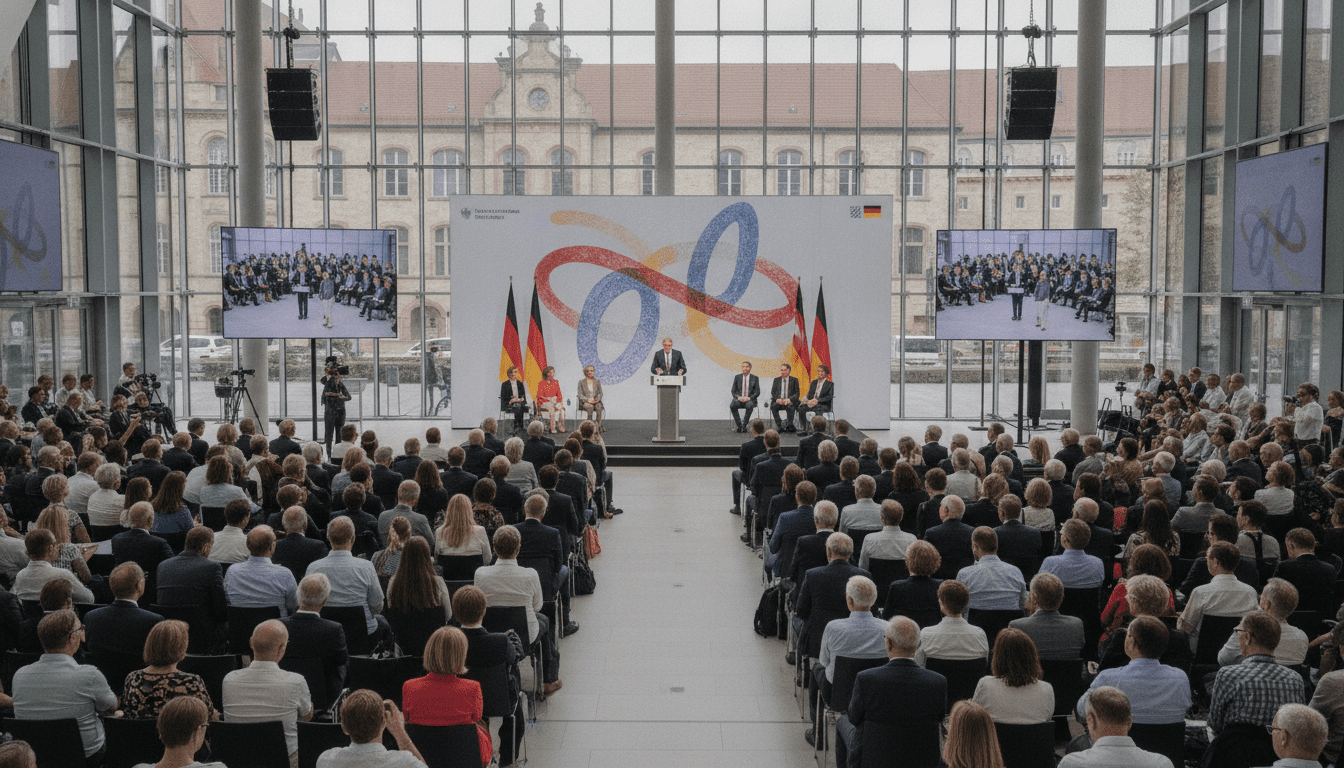
The new Zukunftszentrum for German unity and European transformation will be built in Halle and is scheduled for completion in 2032, its program director said after taking the post in May. Uta Bretschneider describes the centre as an institution that will combine research, exhibitions and public dialogue to examine the long afterlives of the 1989–90 transformations. The project aims to move beyond museum preservation and foster encounters between East and West, different generations and international partners.
Construction timeline and institutional challenge
The centre’s physical building is due to open in 2032, a timeline that underscores the long-term nature of the project and the scale of the undertaking. Bretschneider says the institution is being developed on multiple fronts at once: program planning, research capacity, network building and the construction of a new facility. Officials acknowledge public expectations and describe the work as a rare mix of cultural, scientific and civic tasks undertaken in parallel.
A translation role between East and West
Bretschneider frames the Zukunftszentrum as a “translation” institution meant to bridge disparate experiences within Germany and across Europe. Rather than functioning as a conventional DDR museum, the centre will seek to make stories of transformation accessible to broad audiences, including people who traditionally do not engage with museums or classical cultural venues. The emphasis is on creating spaces where different life histories and perspectives meet and are mutually explained.
Research, archives and generational questions
The centre plans to host a research unit and curate exhibitions that probe unresolved structural inequalities stemming from reunification. Bretschneider notes that certain archival materials and generational questions are only now becoming available, which makes the timing urgent despite the decades since 1990. The research remit will include documenting economic shifts, social adaptation and cultural changes so that the transformations can be analyzed, not only remembered.
Mobile outreach and national engagement
While the permanent home will be in Halle, the Zukunftszentrum intends to operate mobile programmes to reach regions beyond the city. Bretschneider said the centre will take initiatives to places such as Gelsenkirchen and the Sauerland, and plans to invite national leaders to participate in dialogue events. This nationwide approach aims to anchor the centre’s work in local experiences rather than confining it to a single urban audience.
Everyday entrepreneurship and contested memories
Fieldwork undertaken by Bretschneider and colleagues revealed unexpected strands of post‑1990 life, including small private enterprises that emerged where state structures once stood. A study of provincial sex shops, for example, highlighted entrepreneurial responses to newly opened markets alongside stories of resilience and hardship. Such microhistories will feature in the centre’s programming to show how adaptation took many forms and left uneven legacies across regions and social groups.
Politics, independence and the European dimension
The Zukunftszentrum’s mandate extends beyond national memory to include comparative work with post‑socialist countries in Eastern Europe, a direction set by a federal commission. Bretschneider argued that learning from other transitions is vital and warned that anger can be a poor guide in politics, citing the risk of authoritarian backsliding in parts of the region. She also affirmed the centre’s commitment to democratic practice and said its status as a federal institution should help preserve independence from partisan influence.
The centre will deliberately make space for contested and difficult experiences, including protests, economic dislocation and the rise of anti‑democratic movements, while excluding explicitly anti‑democratic positions from its platforms. Planners want to use the institution as a barometer for identity and to chart how narratives about the past change over time, especially among young people who are reframing East German heritage in new cultural forms.
Uta Bretschneider acknowledges the limits of any single institution to “restart” the spirit of 1989, but she frames the Zukunftszentrum as a long‑term effort to address structural disparities and to foster constructive national and European conversations. By combining research, exhibitions and mobile public programming, the centre intends to make reunification and broader transformation processes legible to a wider public and to encourage informed dialogue about the unfinished work of integration.
