
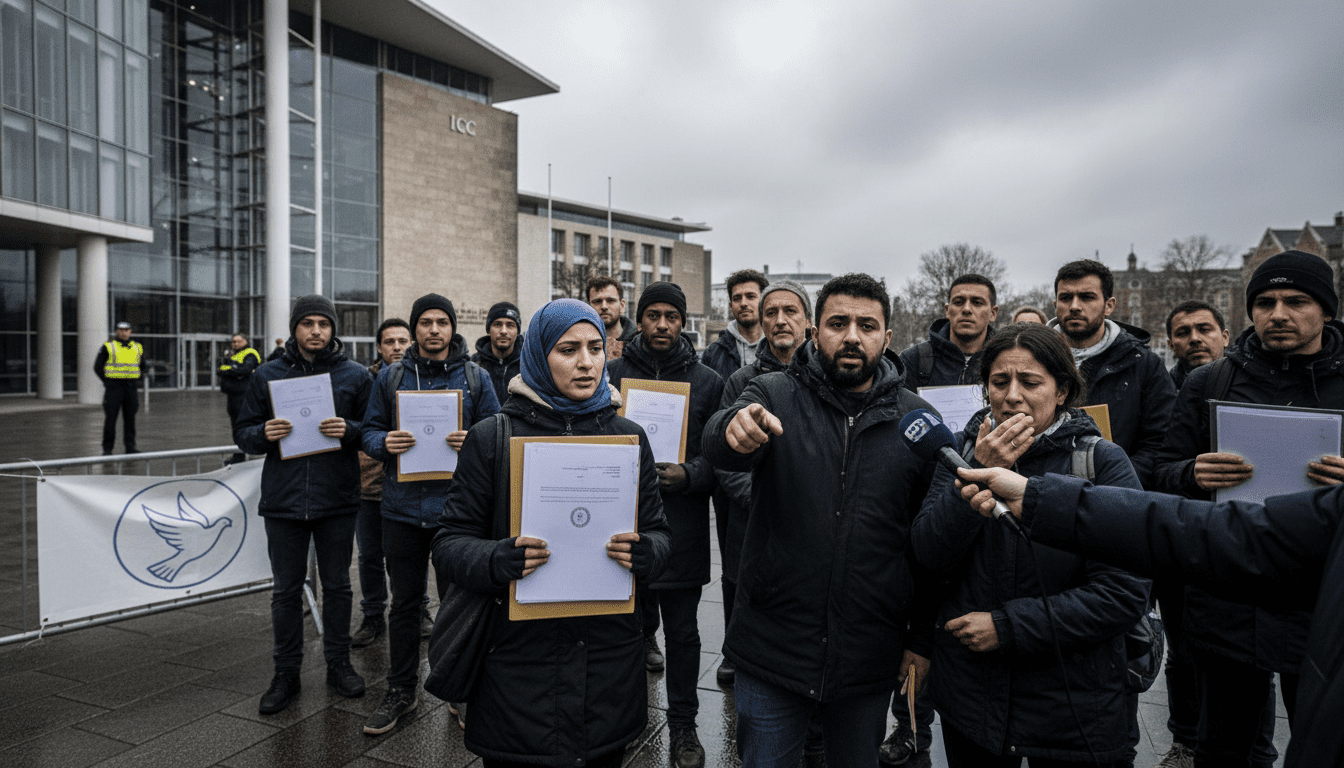
Global Sumud Flotilla: Australian Activists Submit ICC Evidence Alleging Sexual Abuse and Torture
Australian Global Sumud Flotilla activists filed ICC evidence alleging sexual abuse, torture and war crimes during detention after a Gaza-bound interception.
The families and organisers of Australian participants in the Gaza-bound Global Sumud Flotilla have lodged a submission with the International Criminal Court in The Hague alleging sexual abuse, torture and other serious violations while activists were held by Israeli authorities. The submission, prepared by flotilla organisers and legal counsel, combines survivor testimony, medical examinations and sworn affidavits collected after the interception of the aid mission in spring 2026. Organisers say the material directly contests Israeli public accounts of how the detentions unfolded and what occurred while activists were in custody.
Survivors Lodge Case at the ICC in The Hague
The filing was delivered to the ICC by Global Sumud Flotilla organisers on behalf of Australian participants who were detained following the raid on the Gaza-bound convoy. Organisers described the submission as a formal allegation of war crimes, crimes against humanity and torture linked to the interception, detention and treatment of those aboard the flotilla. Representatives said the dossier includes names, witness accounts and corroborating medical evidence intended to support an investigation by the court.
Flotilla leader Subhi Awad is quoted in the group’s statement asserting that the evidence undermines statements reportedly given by Israeli officials to Australian authorities. Awad said survivors “were beaten, tortured and suffered sexual violence,” and that the filing seeks accountability and clarity for families awaiting answers. Legal representatives involved with the submission include Australian lawyer Bernadette Zaydan, who organisers say participated in presenting the evidence to the court.
Allegations of Sexual Violence, Torture and Forced Medication
Survivors reported multiple forms of abuse while in detention, according to the submission, including beatings, sexual assault and use of rubber bullets during the interception. One account cited in the filing alleges an Australian humanitarian worker was injected with an unidentified substance while held by Israeli authorities. Organisers said neither the survivor nor the Australian public has been given an explanation about the substance, its purpose or potential health consequences.
The group emphasised that allegations of sexual violence and torture are central to their case and form part of a broader claim of systemic mistreatment during detention. The submission asks the ICC to consider whether actions during and after the interdiction amount to violations of international humanitarian and criminal law, and it requests independent scrutiny of medical records and witness statements.
Interception in International Waters and Deportations
The flotilla was intercepted while en route to deliver aid to Gaza, with organisers and survivors saying the interception occurred in international waters. Israeli forces raided the vessels, detained dozens of activists and later deported some detainees to Istanbul. Organisers have reported that approximately 430 activists were held after the operation and subsequently deported; footage published after their arrival showed many wearing grey prison tracksuits and keffiyehs as they were met by supporters.
Survivors recounted being fired on with rubber bullets during the raid and then beaten while in detention, according to the material submitted to the ICC. Organisers say the sequence of events produced both physical injuries and psychological trauma, and that the deportations did not resolve outstanding questions about conduct during the interdiction and within Israeli holding facilities.
Evidence Package: Testimony, Medical Reports and Affidavits
The submission to the ICC is built on a multi-part evidence package that organisers say includes recorded survivor testimony, clinical examinations and sworn legal affidavits. Organisers have described the package as intended to substantiate claims of sexual assault, torture and other mistreatment, and to provide forensic and narrative detail for potential investigators. The dossier was compiled in the weeks following the spring 2026 interceptions, when activists were able to document injuries and recount their experiences.
Lawyers working with the flotilla have emphasised the importance of contemporaneous medical reports and forensic assessments in establishing patterns of abuse. Organisers said they will continue to cooperate with international legal processes and urged the ICC to act on the evidence promptly so that further investigative steps can begin.
UN Blacklist, Media Reports and International Scrutiny
The submission to the ICC arrives against heightened international scrutiny of alleged sexual violence in the Israel–Palestine context since October 2023. Organisers pointed to the inclusion of Israel on a United Nations list for sexual violence in conflict zones, and to reporting by rights groups and media outlets documenting similar allegations. According to press accounts cited by the group, the Israeli Prison Service was slated for inclusion on the 2026 UN blacklist while other Israeli bodies remained under monitoring for potential future listing.
Flotilla organisers said the broader context adds urgency to their filing and underscores why independent, international investigation is required. They called for the ICC and United Nations mechanisms to examine whether the reported incidents fit patterns seen in other allegations, and to ensure survivors’ accounts are investigated without prejudice.
Australian Political Response and Calls for Accountability
Australian survivors and their supporters have criticised Canberra for what they describe as limited direct engagement since the activists’ return. Juliet Lamont, one of the Australians involved in the mission, publicly criticised Prime Minister Anthony Albanese for declining requests to meet with survivors after their repatriation. Lamont said that if survivors can be heard in The Hague but not in Canberra, “something has gone badly wrong.”
Organisers have urged Australian authorities to press for independent investigations and to demand answers about the treatment of nationals while in foreign custody. They have also called on international bodies to ensure medical follow-up and protective measures for survivors who say they continue to suffer physical and psychological consequences from their detention.
The Global Sumud Flotilla has named several Australians among those who participated in the mission and are represented in the submission, and has reiterated its call for accountability and independent probes into the allegations presented to the court.
