
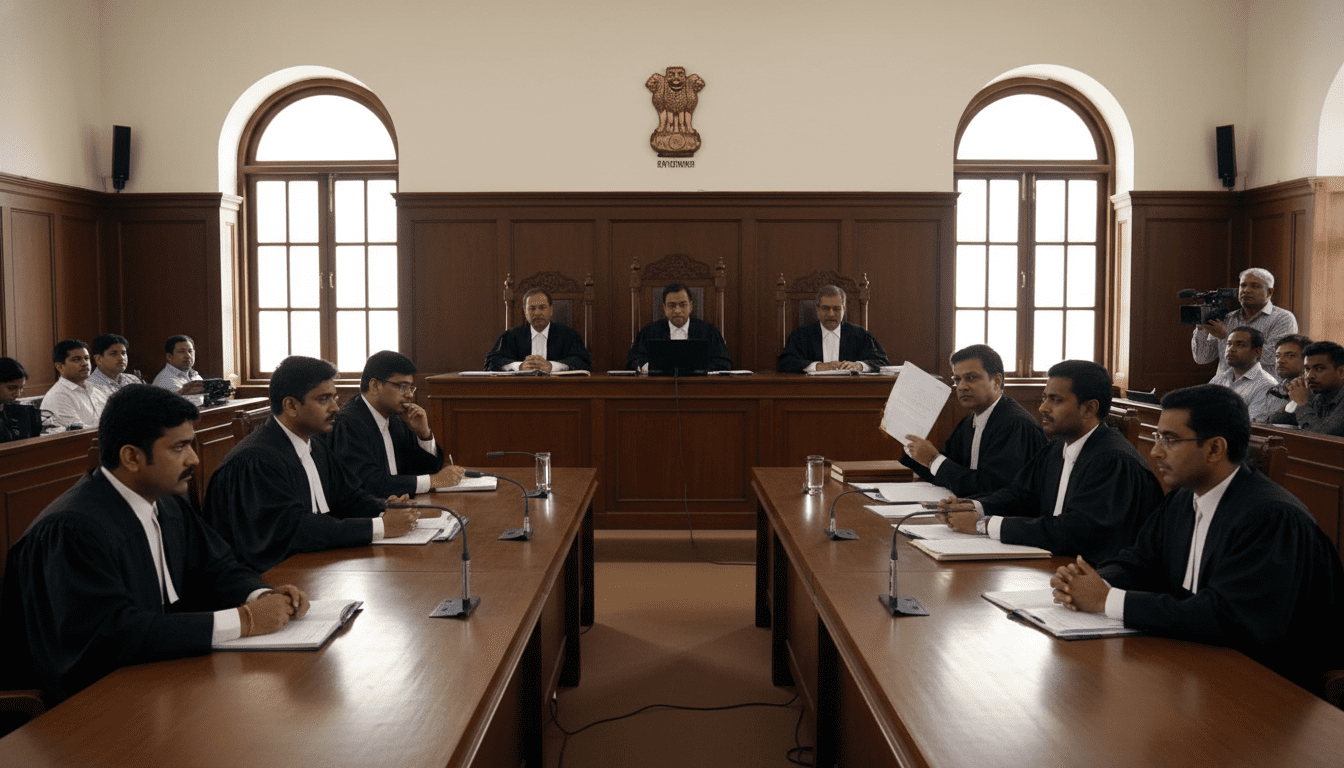
Indian Court Rules Google Liable for Trademark Use in Keyword Advertising
Delhi High Court found Google liable for trademark infringement in a May 22 ruling over keyword advertising in the Hindware case, awarding ₹3 million.
Opening summary of the ruling
A Delhi High Court judgment delivered on May 22, 2026, held Google responsible for trademark infringement tied to its keyword advertising practices in a dispute brought by bathroom fittings maker Hindware.
The court concluded that Google’s advertising systems allowed competitors to bid on and use Hindware’s trademark as a keyword, diverting search traffic away from the brand.
Justice Mini Pushkarna issued a detailed 163‑page opinion and ordered nominal damages of ₹3 million (about $31,600), signaling judicial scrutiny of platform ad systems.
Court reasoning on AdWords and active participation
The judgment rejected Google’s defense that it acted purely as a passive intermediary when serving advertisements on its search platform.
The judge found that selling or enabling the use of a plaintiff’s trademark as a keyword without authorization can amount to infringement under India’s Trade Marks Act.
The court framed the automated availability of trademarked terms to advertisers as a form of participation in commerce, rather than mere technical facilitation.
Industry founders and market reaction
The ruling drew public attention after several prominent entrepreneurs spoke in support of Hindware’s position, saying competitors have long used keyword ads to capture branded searches.
Founders of major Indian firms described experiences where paid ads for rivals appeared above organic search results for their own company names, forcing brands to buy ads to reclaim visibility.
This reaction amplified concerns among businesses that rely on branded search traffic for customer acquisition and brand protection.
Google’s policy position and company statement
Google has maintained that its global Ads policy bars advertisers from using trademarked terms within the visible ad text, and that it applies these rules worldwide.
A company spokesperson said Google is committed to aligning operations with local law while protecting user interests, and indicated the company would review the implications of the court’s findings.
The company’s stance highlights the tension between platform advertising mechanics, global policy settings, and differing national legal standards.
Legal analysis and limits of the decision
Legal practitioners cautioned that the ruling may be narrower than some public reactions suggest, focusing on how automated ad tools operate rather than establishing broad platform liability.
Experts pointed out that Indian courts have previously found internet intermediaries can lose certain legal protections when they play an active role in unlawful activity, and this decision fits within that framework.
The central legal question, commentators said, is whether offering trademarked terms to advertisers through automated systems constitutes sufficient participation to remove intermediary immunity.
Implications for advertisers and trademark owners
Brands may now press platforms to change how keyword inventories are presented and sold to advertisers, seeking stronger safeguards against unauthorized use of trademarks.
Companies that rely on branded search traffic could face a shift in how they protect their names, potentially reducing the need to buy competitor keywords if platforms alter auction or curation practices.
Advertisers and platforms will also watch for follow‑on litigation or regulatory guidance that clarifies responsibilities and technical measures needed to prevent trademark diversion.
Wider significance for Google in India
India’s market size — home to one of the world’s largest online populations — means judicial outcomes on search and ads carry substantial commercial importance.
A ruling that prompts product or policy changes in a major market could influence how global platforms design automated advertising tools elsewhere, even if the legal holding remains fact‑specific.
Companies operating in India will likely reassess risk, compliance and brand protection strategies in light of the court’s findings.
The Delhi High Court decision in the Hindware case underscores a growing judicial focus on how automated advertising systems handle trademarked terms, and it may prompt both technical changes at platforms and new legal strategies from brands seeking to protect their search visibility.
