
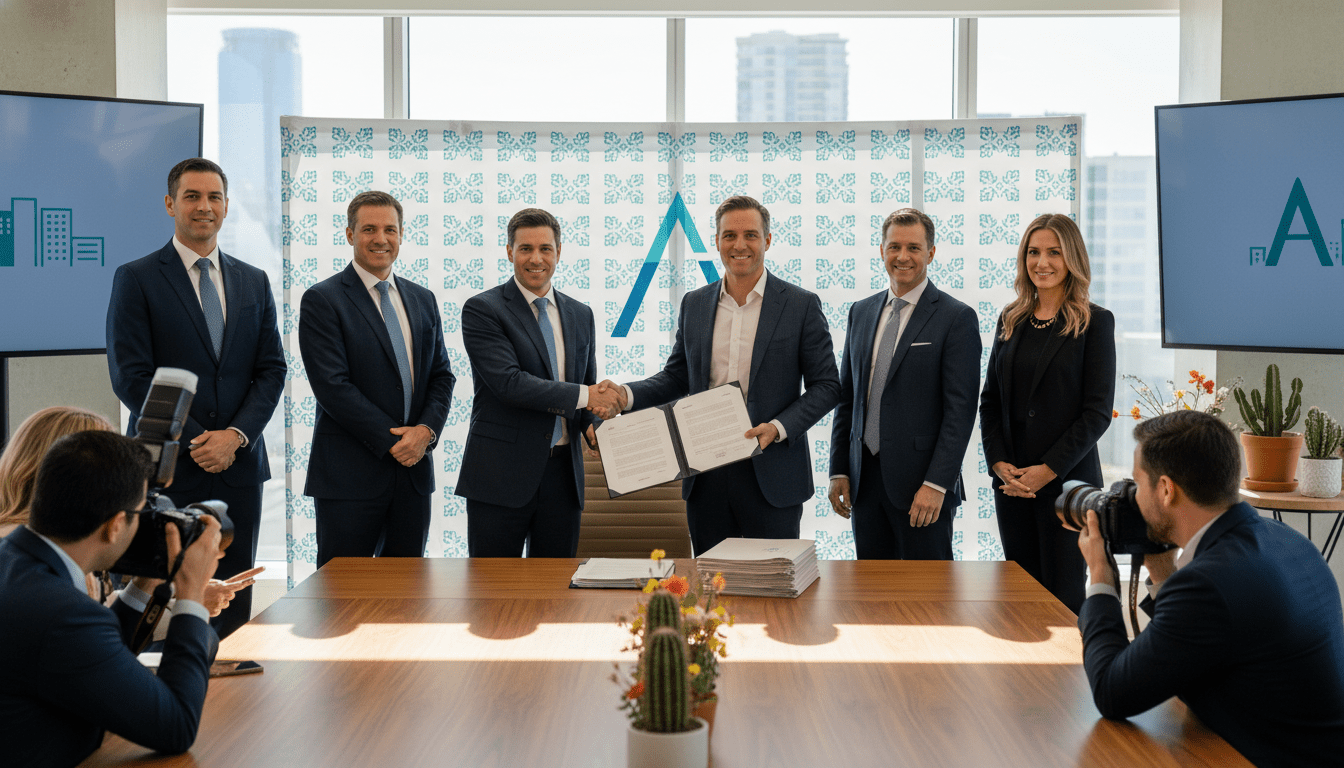
WeRoad Raises $58M Series C Led by Airbnb to Fund U.S. Expansion Beginning in Austin
WeRoad raises $58M Series C led by Airbnb to fund U.S. launch in Austin. Milan startup scales group-led trips and WeMeet local events for Gen Z travelers.
WeRoad has secured $58 million in a Series C financing round led by Airbnb as the Milan-based group travel startup prepares to expand beyond Europe and open operations in the United States. The funding brings WeRoad’s total capital raised to roughly $100 million and will bankroll an initial U.S. rollout beginning in Austin. The company says the investment reflects rising investor interest in businesses built around real-world social connection rather than pure booking marketplaces.
Funding details and investor rationale
WeRoad’s new round was announced as part of a strategy to scale its model of interest-based group travel to new markets. Airbnb’s lead position signals a bet that future travel services will blend community and in-person experiences with technology. Company executives said the capital will be used to hire local teams, recruit and train group leaders, and expand the WeMeet app footprint across target U.S. cities.
Investors have framed the deal within a wider trend sometimes called the “IRL economy,” where startups monetize offline gatherings and social activities. Backers appear to be responding to demand from younger travelers who prefer social travel formats and community-driven experiences over traditional packaged tours.
Austin selected as the U.S. launch city
WeRoad has chosen Austin as the first U.S. city for its phased expansion, citing the city’s active cultural scene and strong youth population. The company plans to recruit local group leaders, host WeMeet events, and form partnerships with community organizations before growing into additional markets. Executives indicated the rollout will be deliberate, with a focus on building a local network rather than a rapid national scale-up.
The Austin launch is scheduled to kick off a series of market-by-market expansions through 2026, according to the company’s stated plan. By concentrating resources in a small number of cities initially, WeRoad aims to replicate the social dynamics that its itineraries have produced in Europe.
Trip format tailored to Millennials and Gen Z
WeRoad’s trips are organized around shared interests and travel styles, targeting primarily Millennial and Gen Z customers. Rather than grouping travelers by age alone, the company builds cohorts around themes such as beach, ski, and adventure trips to ensure cultural fit and common reference points. Groups typically range from eight to fifteen people and are introduced to one another on WhatsApp prior to departure.
Most core itineraries last about 10 to 12 days, and weekend formats have been added to attract first-time customers. The company reports high repeat business, with roughly 60% of travelers booking another trip, a metric the founders cite as evidence of the social bonds their model produces.
Group leaders replace traditional tour guides
A central feature of WeRoad’s approach is the use of “group leaders” instead of conventional tour guides. The company employs more than 4,000 group leaders globally who are chosen for interpersonal skills and travel experience rather than local destination expertise. Leaders are trained to manage group dynamics, resolve tension, and design activities that promote connection among participants.
Itineraries are intentionally structured to front-load collaborative or adventurous activities early in the trip to accelerate bonding. That social-first design is intended to address a common traveler concern: not the destination itself, but whether they will connect with the people they travel with.
WeMeet expands local, in-person community efforts
Beyond multi-day trips, WeRoad has been scaling a local events product called WeMeet, launched in 2025 to facilitate smaller in-person gatherings. The company reported more than 50,000 attendees at WeMeet events across 35 cities last year and roughly 150,000 app downloads. Events range from dinners and hikes to yoga classes and board game nights, which WeRoad plans to use as a grassroots tool for growing its U.S. presence.
WeMeet will be central to the Austin strategy and the broader U.S. playbook, enabling the company to build local communities and identify prospective group leaders and customers. The hybrid model — combining local meetups with longer trips — is positioned to drive both acquisition and retention.
Revenue growth and market outlook
WeRoad says it generated €130 million in revenue in 2025, a 30% increase year over year, while transporting more than 100,000 travelers last year alone. Since its 2017 launch the company reports having served over 300,000 customers across more than 1,000 itineraries. Those figures underpin investor confidence but also raise questions about whether social travel can scale sustainably in competitive markets like the U.S.
Analysts and founders alike acknowledge uncertainty about whether businesses built around alleviating loneliness and facilitating offline connection can form the basis of large, durable travel platforms. Still, the Airbnb-led round reflects growing investor appetite for companies that turn social interaction into a core product.
WeRoad’s immediate focus will be executing its phased U.S. strategy from Austin, hiring local teams, and leveraging WeMeet to seed in-person communities. The coming months will test whether the company’s social-first travel model translates to the American market and whether repeat engagement can sustain long-term growth.
