
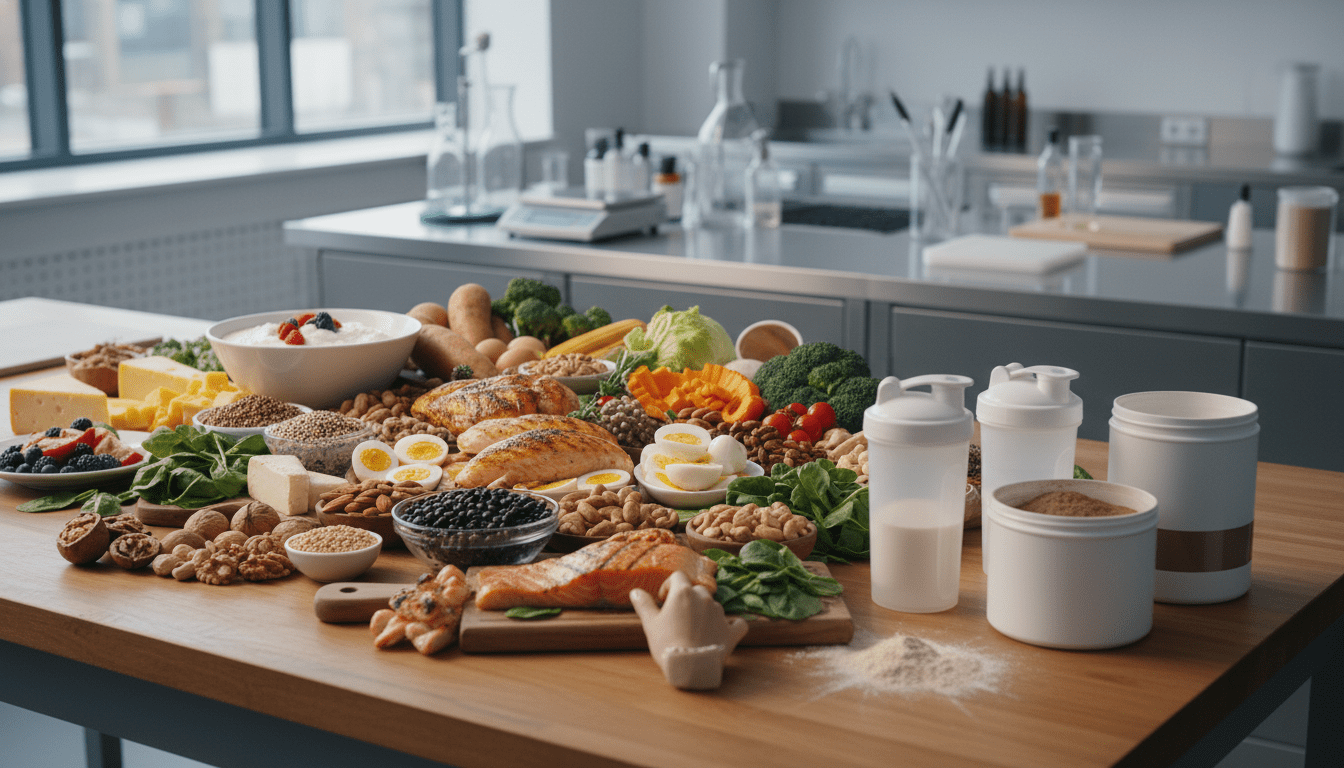
High-Protein Foods That Beat the Shake: Whole-Food Alternatives for More Nutrition
Discover high-protein foods that offer as much or more protein than shakes, plus vitamins, minerals, and practical swap tips for everyday meals.
Whole-food alternatives to protein shakes are gaining attention as dietitians and consumers look for nutrient-dense options that deliver similar or higher protein per serving. High-protein foods such as Greek yogurt, cottage cheese, and certain canned fish regularly provide 15–30 grams of protein per serving while also supplying vitamins, minerals, and healthy fats. Nutrition experts say these options can replace premade shakes for snacks, meals, and on-the-go fueling without sacrificing convenience.
Dairy and seafood that pack a protein punch
Cottage cheese and plain Greek yogurt are among the most protein-dense dairy choices, with single servings commonly delivering upwards of 20 grams. These dairy foods also bring calcium, vitamin B12, and other micronutrients that are absent from many powdered shakes. Canned salmon, tuna, and sardines add similar protein levels while contributing omega-3 fatty acids and trace minerals, and their shelf-stable formats make them practical pantry staples.
Seafood choices like shrimp and cod provide lean, high-quality protein with low carbohydrate content, which suits low-carb eating patterns. Shrimp offers unique antioxidants in addition to B12 and selenium, while white fish like cod supplies steady protein and essential phosphorus. Together, these seafood options demonstrate that protein intake does not require laboratory-made mixes.
Poultry, red meat and organ meats as concentrated protein sources
Chicken breast and lean cuts of beef remain reliable sources of concentrated protein, often delivering more than 25 grams in modest portions. Ground turkey offers a similar profile and brings B vitamins and zinc that support metabolism and immune function. Organ meats such as chicken liver are especially dense in both protein and micronutrients, providing iron, folate and vitamin A in addition to around 20 grams of protein per small serving.
These animal proteins are versatile and can be prepared for quick meals—grilled, roasted, or incorporated into salads and sandwiches—making them suitable substitutes for shakes when the goal is to meet daily protein targets through whole foods.
Plant-based proteins that outpace many shakes
For plant-forward eaters, tempeh, edamame, lentils and navy beans offer competitive protein totals while adding fiber and other healthful components. Tempeh, a fermented soybean product, can supply over 30 grams of protein per cooked cup and also contributes iron and calcium. Edamame is a quick snack or salad topper that gives close to 20 grams per cup and brings folate and fiber into the meal.
Legumes such as lentils and navy beans deliver roughly 15–18 grams of protein per cooked cup and support digestive and cardiovascular health through soluble fiber. Seitan provides a wheat-based, chewy protein source that works well in stir-fries and sandwiches for people who tolerate gluten. These plant-based choices show that vegetarian diets can meet or exceed the protein yield of many commercial shakes.
Shelf-stable and portable options for busy routines
Canned fish, like tuna and salmon, plus protein bars, bridge the gap between convenience and nutrition for commuters and travelers. Single cans or pouches of tuna often deliver around 20 grams of protein, while canned salmon and sardines provide similar amounts plus heart-healthy fats. Protein bars vary in composition but commonly contain 15–20 grams of protein; careful label reading helps consumers avoid bars high in added sugars or low in actual protein.
Combining portable whole foods—such as a can of fish with whole-grain crackers or a bar with a piece of fruit—can produce a more balanced, nutrient-rich snack than a shake alone, and often with fewer additives.
Micronutrients and health benefits beyond protein
One of the principal advantages of choosing high-protein foods over shakes is the broader nutrient profile. Whole foods offer B vitamins, iron, calcium, selenium and omega-3 fatty acids that support energy metabolism, bone health, immunity and inflammation regulation. Plant sources bring fiber and folate, both important for digestive health and cell function, while seafood contributes DHA and EPA, which are linked to cardiovascular benefits.
Relying solely on powdered shakes can lead to missed micronutrients unless the product is specifically fortified. Whole foods reduce that risk by delivering multiple nutrients naturally and in bioavailable forms.
How to swap shakes for whole foods without losing convenience
Start by matching protein portions: a typical serving of Greek yogurt, a three-ounce portion of canned fish, or a cup of cooked tempeh will generally replace a 20-gram protein shake. Meal-prep strategies—like batch-cooking lentils, portioning cottage cheese cups, or packing single-serve tins of fish—preserve convenience for workdays and travel. Look for minimally processed protein bars with at least 10 grams of protein if refrigeration is unavailable.
When assembling meals, pair a high-protein item with fiber-rich vegetables or whole grains to slow digestion and sustain energy. Read nutrition labels to confirm actual protein content and watch sodium in canned goods; rinsing canned beans or choosing lower-sodium varieties can help.
Whole-food swaps are also cost-effective: canned and dried proteins often cost less per gram of protein than premade shakes and provide additional nutrients. For people tracking macronutrients, these foods are easy to portion and integrate into calorie- or protein-focused plans.
Choosing whole foods over shakes does not require more time or expense, but it does call for slight planning and label savvy. With a pantry stocked with legumes, canned fish and dairy or plant-based protein options, consumers can meet protein needs while gaining vitamins, minerals and dietary variety.
Adopting high-protein foods as regular shake alternatives offers a straightforward way to improve nutritional quality while still hitting daily protein goals.
