
TikTok Campaign “Spirit 2.0” Gathers Millions in Pledges After Spirit Airlines Shutdown
TikTok campaign “Spirit 2.0” gathered millions in non-binding pledges after Spirit Airlines halted operations, prompting debate about whether a crowd-backed revival is legally or financially feasible.
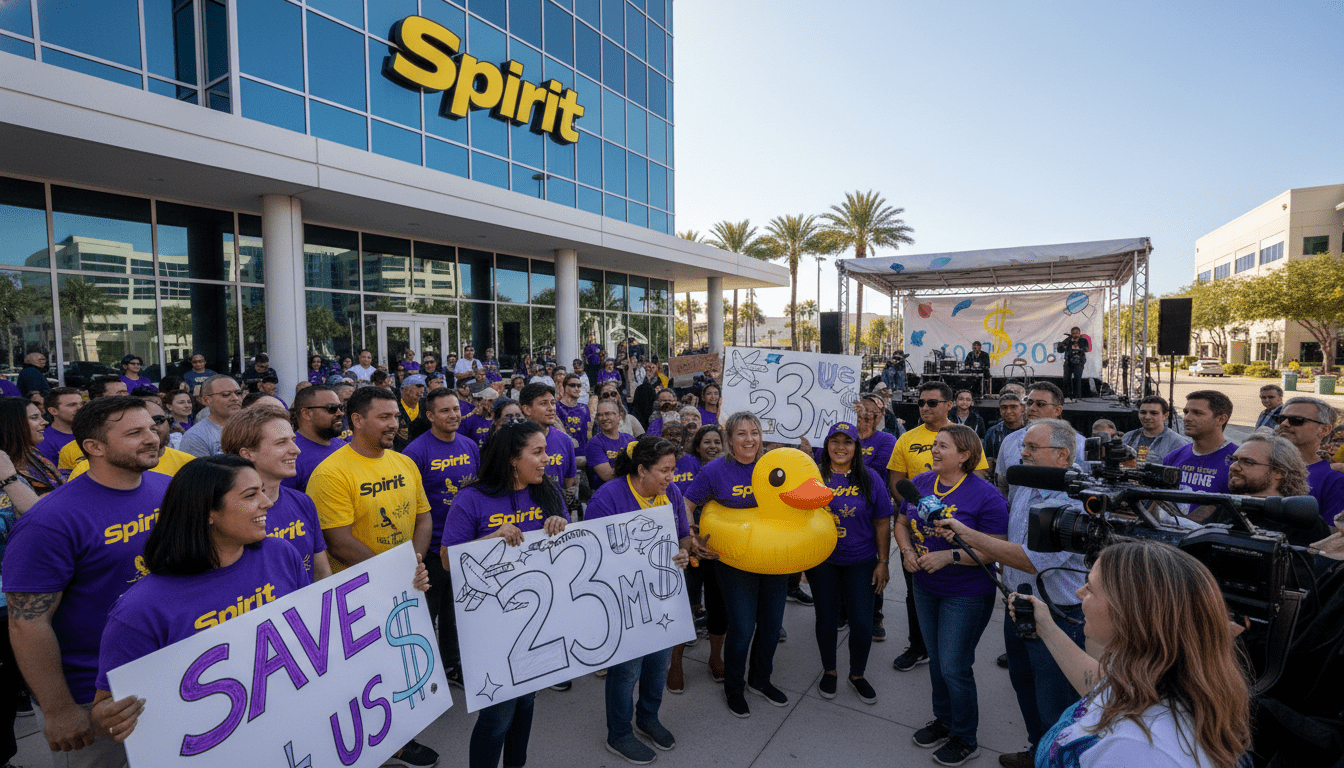
When Spirit Airlines abruptly halted operations and dismissed roughly 17,000 employees, a viral response on social media quickly followed and raised new questions about airline ownership and public intervention. The nascent movement, branded “Spirit 2.0,” was sparked by a voice actor’s TikTok post asking whether ordinary travelers could pool funds to buy back the low-cost carrier. Within days the online effort attracted tens of thousands of pledged commitments totaling nearly $23 million in token support, though organizers emphasize the money is non-binding.
Viral Pitch and Rapid Signups
Hunter Peterson, a voice actor and frequent flyer who posted the original TikTok appeal, framed the effort as a people-powered rescue of Spirit Airlines by asking supporters to pledge roughly the cost of a ticket. His site, assembled in about an hour, recorded approximately 36,000 “founding patrons” in short order and briefly overwhelmed its servers. The speed of signups underlined how social media can translate outrage and nostalgia for low fares into coordinated online action.
Pledges Are Symbolic, Not Capital
Despite the headline numbers, organizers and participants acknowledge these are non-binding pledges rather than transferred funds or formal investments. The amounts collected online so far function as expressions of intent and publicity rather than a legal pool of acquisition capital. Industry experts note that acquiring an airline involves regulatory approvals, due diligence and, most critically, billions of dollars in committed financing—far beyond the current pledges.
Legal and Financial Obstacles
Reconstituting or buying a grounded carrier like Spirit Airlines would require navigating complex legal, regulatory and financial hurdles, including Department of Transportation clearances and Air Carrier Certificates. Potential buyers must satisfy federal safety and financial fitness standards, negotiate aircraft leases or purchases, and secure substantial working capital for operations and staff rehiring. Debt obligations, union contracts, and airport slot and gate arrangements would also complicate any prospective transaction.
Founder Requests Expertise and Advisors
Peterson has openly solicited help from aviation lawyers, public relations specialists, and turnaround professionals on social channels, acknowledging his limits and inviting experts to join the effort. He characterized the initiative partly as a “bit” turned earnest, but stressed a willingness to follow through if qualified advisors could map a realistic path. The call for expertise indicates organizers understand that viral momentum must be converted into formal structure to have any chance of acquiring an airline.
Industry Response and Skepticism
Aviation analysts and industry insiders have reacted with a mix of amusement and skepticism to the “Spirit 2.0” pledges, viewing the campaign as a civic expression rather than a credible acquisition vehicle. Analysts point to the capital-intensive nature of airlines and past examples where fan-funded rescue efforts ran aground when confronted with regulatory realities. At the same time, the episode has drawn attention to how low-cost carriers occupy a unique cultural place for price-sensitive travelers, which partly explains the grassroots enthusiasm.
Customer Fallout and Public Sentiment
Passengers caught by Spirit Airlines’ abrupt shutdown reported widespread disruption and anger after being told not to come to the airport and seeing flights cancelled without notice. The sudden collapse of service and mass layoffs amplified public sympathy for a low-fare brand many relied upon for travel affordability. That sympathy has translated into digital activism that, while not yet monetarily decisive, is serving as a visible barometer of customer frustration and desire for alternatives.
The “Spirit 2.0” movement now faces a turning point: whether it remains a symbolic online phenomenon or evolves into an organized effort capable of attracting institutional capital and legal frameworks necessary for an airline acquisition. Organizers have weeks, not months, to network with maritime and aviation counsel, secure legitimate escrow or investment vehicles, and chart a regulatory strategy if they intend to progress. For now, the campaign has succeeded at one objective—making a large group of consumers visible and vocal about how airline collapse affects everyday travel options.
