
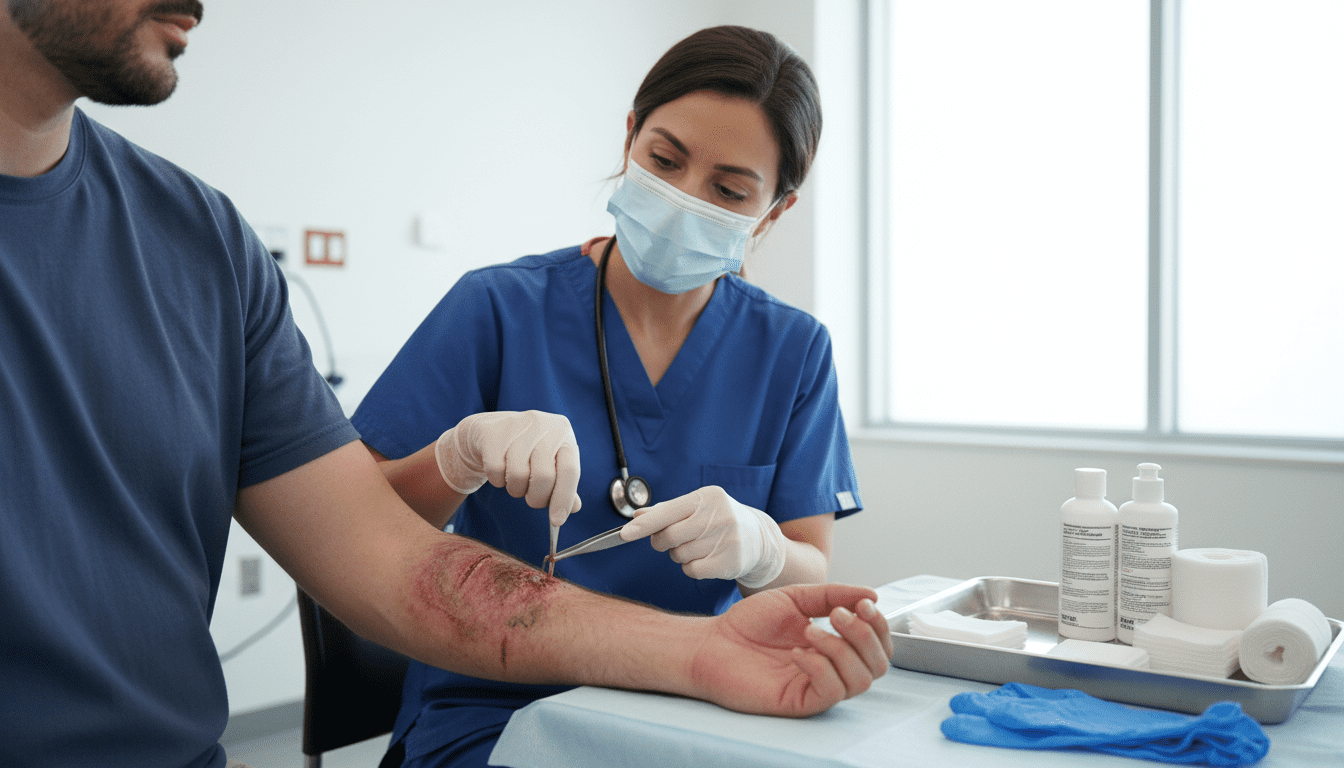
How to Recognize and Treat an Infected Cut: Symptoms, Home Care, and When to See a Doctor
Learn to spot and treat an infected cut: symptoms to watch for, home care steps, when to seek antibiotics or surgery, and tips to prevent complications.
An infected cut can start as a small wound but escalate if not cleaned and monitored, medical practitioners say. An infected cut is typically marked by spreading redness, pus, worsening pain or systemic signs like fever, and clinicians advise a clear protocol of cleaning, covering, and timely medical evaluation.
How clinicians identify an infected cut
Mild redness and some swelling are normal after a fresh wound, but doctors warn that certain signs suggest infection rather than routine healing. Redness that spreads beyond a small margin, persistent or increasing pain, drainage of pus, red streaks moving away from the wound, warmth, and fever should all raise concern.
Emergency physicians say any redness extending more than roughly a quarter-inch from the edge of the wound, or persistent symptoms that don’t improve over a day or two, merits medical attention.
First steps at home: clean and cover
For many minor wounds, immediate care at home reduces the risk of infection and speeds recovery. Rinse the cut thoroughly under running tap water, ideally with a forceful stream for at least a minute, and use soap on surrounding skin while avoiding deep scrubbing of the wound itself.
Apply direct pressure to stop bleeding, remove visible small debris if easy and safe, and then cover the site with a sterile dressing; change dressings daily and keep the area clean and dry.
When antibiotics or procedures are required
Not all infected cuts require prescription antibiotics, but clinicians will prescribe them when there are clear signs of bacterial infection or particular wound types. Oral antibiotics can usually treat superficial infections, while deeper or spreading infections may require intravenous antibiotics and possibly admission for surgical drainage.
Different wound causes call for different antibiotics: bites and crush injuries often need tailored regimens, and commonly used agents for skin infections include amoxicillin‑clavulanate, cephalexin, clindamycin, dicloxacillin, doxycycline, and trimethoprim‑sulfamethoxazole.
Wounds that need urgent medical attention
Certain injuries should trigger prompt assessment rather than home care alone, clinicians emphasize. Seek care if the wound is a human or animal bite, puncture from a fishhook or rusty object, more than a quarter‑inch deep, contains debris that cannot be removed, is on the face, reaches bone, or is bleeding heavily.
It is also important to contact a physician if you cannot confirm a tetanus booster within the prior ten years, or if systemic symptoms such as fever, chills, or accelerating redness develop.
Potential complications from untreated infection
When an infected cut is not treated promptly, there is a risk of complications that range from local to life‑threatening. Cellulitis is a common deep‑skin bacterial infection that causes spreading redness and swelling, while rare but severe conditions include necrotizing fasciitis—tissue‑destroying infection—and sepsis, the body’s dangerous systemic response to infection.
Tetanus, a separate bacterial illness linked to deep or contaminated wounds, remains a possibility where vaccination status is not up to date; however, most severe complications are uncommon when wounds receive timely professional care.
Who is at greater risk and how to reduce risk
Not all cuts carry the same risk of infection: wounds contaminated with dirt or saltwater, injuries from bites or crushing forces, punctures, untreated wounds, and injuries on the feet are more likely to become infected.
Underlying health conditions such as diabetes, obesity, eczema, or fungal infections of the feet can impair skin integrity and immune response, increasing the chance that a minor cut will worsen. For these patients, a lower threshold for medical evaluation is recommended.
Routine prevention focuses on prompt, effective wound care and sensible monitoring. Clean wounds quickly with running water, cover them with a sterile dressing, and inspect the site daily for any change. Using an over‑the‑counter antibiotic ointment is optional but be mindful that some people have allergic reactions to products containing neomycin or bacitracin, which can mimic infection.
Prompt medical assessment, appropriate antibiotic selection, and surgical drainage when indicated are the pillars of preventing complications from an infected cut. Keep vaccinations current, treat a bite or contaminated puncture as a higher‑risk injury, and return to care if symptoms worsen or do not improve within a couple of days.
