
Will China replace the United States as the world’s leading power?
As the United States withdraws from many international bodies, analysts ask whether China can replace the United States by filling diplomatic, economic and security roles.
China replace the United States is the central question driving debates among diplomats, economists and security experts as Washington’s retreat from a range of multilateral institutions creates visible gaps on the world stage. The shift has prompted a reassessment of who sets international norms, who provides development finance, and how global security arrangements will be sustained.
U.S. withdrawals leave institutional gaps
The recent pattern of U.S. disengagement from multilateral organizations has left forums and funding streams without a consistent sponsor. These gaps are most acute in areas such as public health coordination, trade governance and certain UN-led initiatives where U.S. leadership previously anchored consensus and resources.
States and organizations now face practical decisions about who will chair working groups, fund missions, and underwrite crisis responses. That administrative vacuum creates openings for other powers to offer alternatives or to shape outcomes through incremental influence rather than sweeping leadership.
China expands presence in multilateral forums
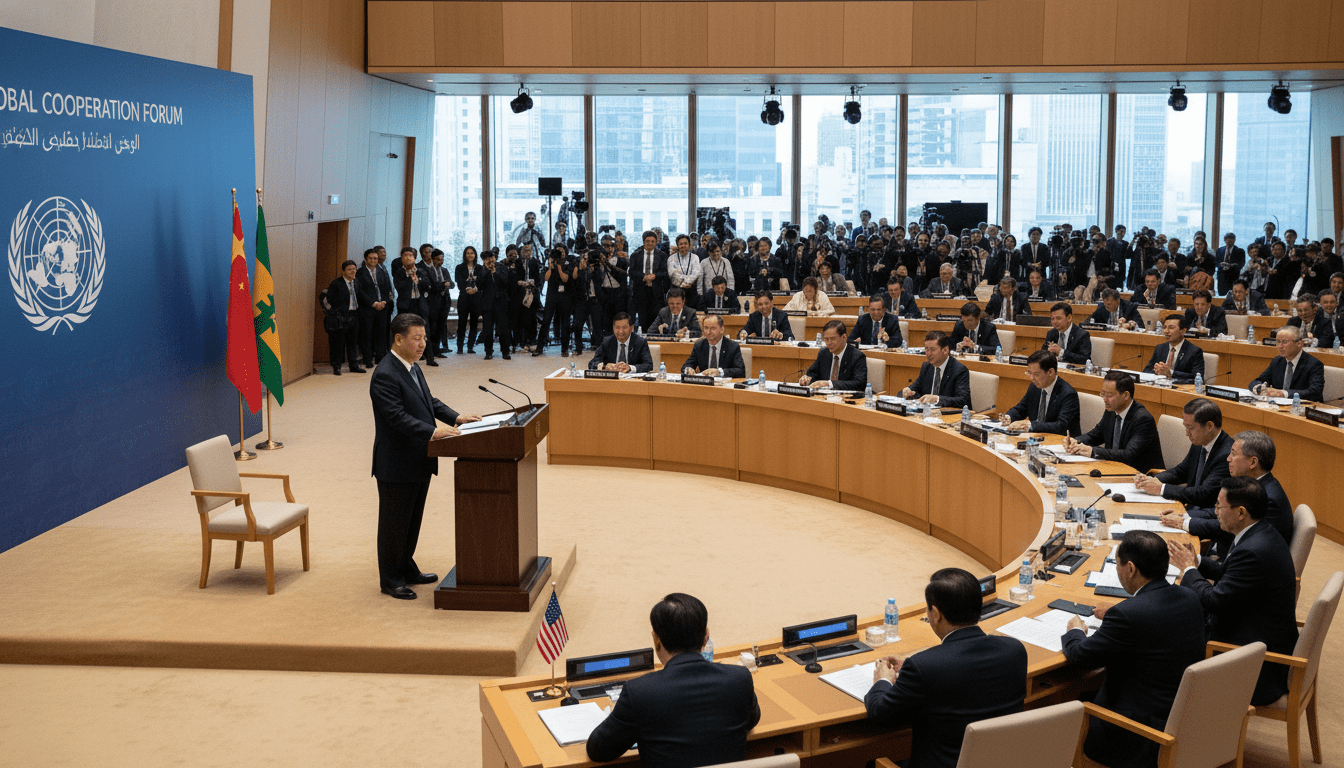
Beijing has steadily increased its diplomatic engagement within international organizations, seeking elected positions and proposing new initiatives that project competence and reliability. Chinese delegations have been visible in UN agencies, regional development groups, and in forums focused on trade facilitation and digital governance.
China’s approach often emphasizes infrastructure and deliverables, offering financing and projects that produce tangible results for partner states. This pragmatic model appeals to capitals looking for immediate gains, even as questions persist about the long-term governance implications of those arrangements.
Economic leverage through trade, investment and infrastructure
Economic tools remain central to Beijing’s strategy to influence global affairs, with trade relationships and investment programs serving as the backbone of its external policy. By expanding supply chain ties and financing transport and energy infrastructure, China deepens dependencies that translate into political and diplomatic leverage.
Development banks and state-backed funds tied to infrastructure projects provide alternatives to Western financing models, enabling recipient countries to choose between competing offers. That competition reshapes bargaining power in international negotiations and alters the agenda on issues such as standards, procurement and project transparency.
Security posture and strategic partnerships
China’s growing military capabilities and regional assertiveness are reshaping security calculations, particularly in the Indo-Pacific. Increased naval deployments, base access arrangements and defense partnerships with regional states signal a more confident Beijing willing to protect its interests beyond its immediate periphery.
However, projecting military influence globally requires more than hardware; it depends on alliances, interoperability and long-term basing arrangements that remain limited compared with existing U.S. networks. Beijing’s security partnerships tend to be bilateral and transactional, which can constrain its ability to offer the horizontal security architecture long provided by the United States and its allies.
Soft power, norms and legal frameworks
Replacing the United States would require not just material capabilities but the ability to set and sustain international norms on governance, human rights and rule of law. China’s model of state-led development and emphasis on sovereignty appeals to many governments but diverges from the democratic values that underpinned much of the post-World War II order.
This normative difference complicates Beijing’s capacity to fully supplant U.S. leadership on issues where legal frameworks and shared principles matter. Many states seek practical cooperation with China while continuing to rely on Western norms and institutions to protect trade, investment and civil liberties.
Allies and third-country choices shape the outcome
Whether China can replace the United States depends heavily on the choices of middle powers, regional blocs and international organizations themselves. European, African and Latin American countries weigh economic opportunities from China against security guarantees and regulatory standards tied to Western partners.
Collective responses by alliances and multilateral bodies will determine whether gaps are filled by Beijing-led alternatives, patched by coalition efforts among other democracies, or left to a fragmented patchwork of regional arrangements. Those bottom-up decisions will be decisive in shaping the near-term balance of influence.
Both capability and credibility matter in global leadership, and Beijing has advanced its reach across multiple dimensions even as structural and normative barriers persist. The trajectory toward a world in which China replace the United States entirely remains uncertain and conditional on policy choices by capitals, institutions and publics worldwide.
